Introduction
Online casinos have evolved into one of the most advanced sectors in the digital entertainment world. What began as simple virtual card tables and slot games has now expanded into fully immersive ecosystems powered by cutting-edge technologies. Today, players expect realism, speed, security, and interactive gameplay experiences that go far beyond traditional gambling.
This transformation is driven by continuous innovation in artificial intelligence, real-time rendering, and data-driven personalization. Online casinos are no longer just gaming platforms—they are evolving into dynamic entertainment hubs where users can socialize, compete, and experience highly realistic virtual environments.
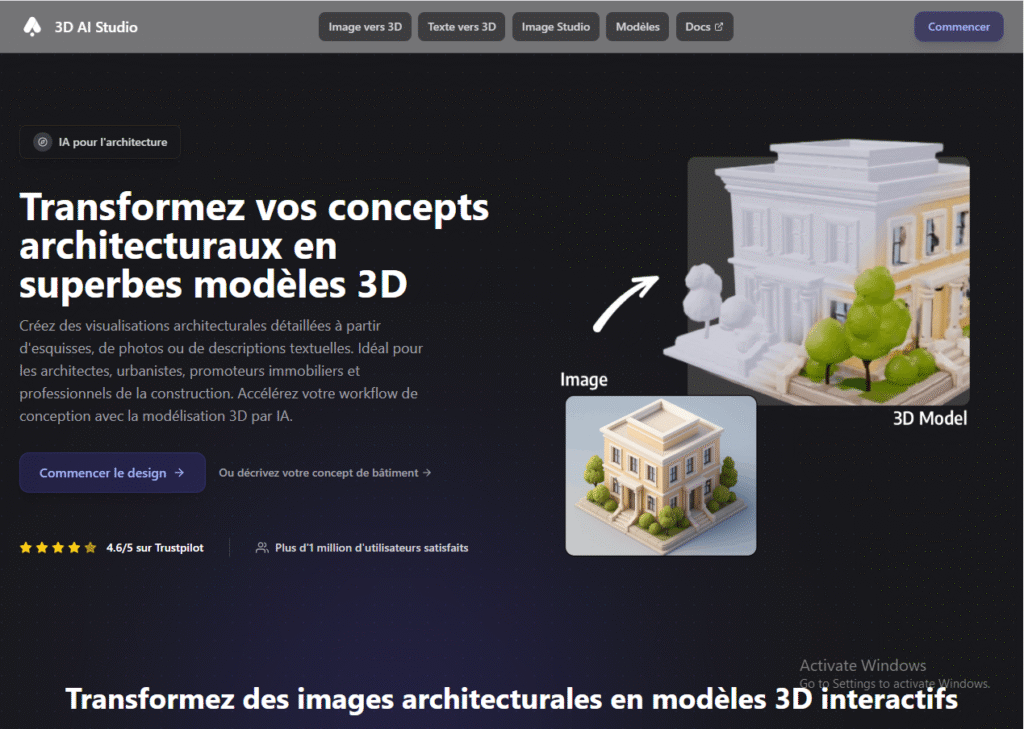
A major innovation influencing this evolution is IA architecture 3D, which enhances the visual and structural design of digital casino platforms. By integrating visualisation 3D IA developers are able to build immersive casino worlds with realistic depth, environment design, and interactive spaces.
Expansion of the Online Casino Industry
The global online casino market continues to expand due to increased internet penetration and widespread smartphone usage. Players from different regions now participate in online gambling more frequently, driven by convenience and accessibility.
Unlike traditional casinos, online platforms allow users to play anytime without geographical restrictions. This accessibility has helped the industry attract a diverse audience, ranging from casual players to professional gamblers.
Payment innovations, including digital wallets and cryptocurrencies, have further accelerated this growth by making transactions faster, safer, and more efficient.
Technological Foundations of Modern Casinos
Technology is the backbone of online casino development. Every aspect, from game mechanics to user experience, is powered by advanced digital systems.
Artificial Intelligence in Gaming
Artificial intelligence plays a crucial role in enhancing personalization. It analyzes user behavior, predicts preferences, and recommends relevant games. AI is also used for fraud detection and customer support automation.
3D Environments and Immersive Design
3D technology allows developers to create highly realistic casino environments. Players can navigate virtual spaces, interact with objects, and enjoy lifelike gaming experiences that simulate real-world casinos.
Blockchain Technology and Transparency
Blockchain ensures fairness and transparency by recording all transactions on decentralized systems. This technology eliminates manipulation risks and builds trust among players.
Popular Casino Game Types
Online casinos provide a wide range of games to satisfy different player preferences and skill levels.
Slot Machines
Slots remain the most popular category due to their simplicity and entertainment value. Modern slot games include animations, bonus rounds, and jackpot features.
Table Games
Games such as blackjack, roulette, and poker require strategy and decision-making skills, appealing to more experienced players.
Live Dealer Games
Live dealer games allow real-time interaction with professional dealers through video streaming, creating an authentic casino experience.
Player Experience Enhancement Strategies
Online casinos use various techniques to improve user engagement and retention.
Reward Systems
Loyalty programs, bonuses, and promotional rewards encourage long-term participation.
Personalized Game Suggestions
AI systems recommend games based on user activity and preferences.
Gamification Features
Leaderboards, missions, and achievement systems add competitive excitement to gameplay.
Security and Fairness in Online Casinos
Security is a top priority in online gambling platforms. Advanced encryption systems protect user data and financial transactions.
Independent audits ensure fairness through certified random number generators. Licensing authorities also regulate platforms to maintain transparency and trust.
Mobile Gaming Growth
Mobile gaming has become a dominant force in the online casino industry. Optimized mobile applications and responsive websites allow users to play seamlessly across devices.
This convenience has significantly increased global participation and engagement.
Industry Challenges
Despite strong growth, the online casino industry faces several challenges.
Legal Regulations
Different countries have different gambling laws, creating compliance challenges for operators.
Responsible Gambling Policies
Casinos must implement tools and systems to promote responsible gaming behavior and prevent addiction.
Market Competition
Increasing competition forces platforms to innovate constantly to attract and retain users.
Future of Online Casinos
The future of online casinos is driven by technological innovation and user demand for immersive experiences.
- Virtual reality casino environments
- AI-driven adaptive gameplay
- Blockchain-powered decentralized gaming platforms
- Integration into metaverse ecosystems
These innovations will redefine the digital gambling experience in the coming years.
Conclusion
Online casinos have transformed into highly advanced digital entertainment platforms that combine technology, design, and user engagement. The industry continues to grow rapidly due to innovation and increasing global demand.
The use of IA architecture 3D is helping redefine how virtual casino environments are built, making them more immersive and realistic. As technology continues to evolve, online casinos will become even more interactive, secure, and engaging for users worldwide.